
Government aims to improve cladding safety as the Remediation of Unsafe Cladding Bill was introduced to Parliament on 14th October 2026.
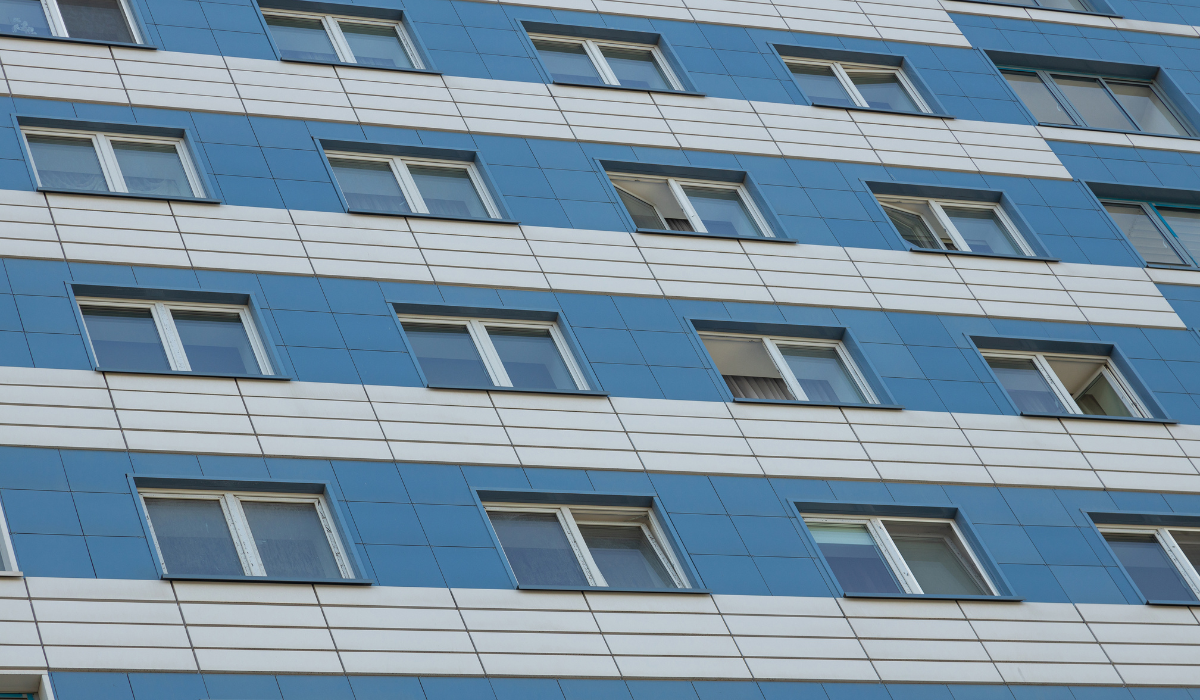
Everyone deserves to live in a safe, secure and affordable home. Yet, nine years on from the Grenfell Tower tragedy, there are still too many buildings with unsafe cladding and too many people feeling trapped.
Since the Remediation Acceleration Plan, over 470 more buildings are reported to have completed cladding remediation, affecting around 35,000 more residents, the Government reports. The Bill sets an intention to strengthen action on cladding remediation and forms part of the Government’s wider Remediation Acceleration Plan.
It brings forward a new legal duty on those responsible for the safety of their buildings, such as freeholders, to identify, assess, and fix issues without delay – anyone who obstructs this work could face criminal penalties. In addition, there will be a stronger enforcement framework to sanction responsible entity that fail to comply with a Remediation Order, enabling the First-tier Tribunal to hand down financial penalties of up to £500,000.
The expectation remains that by the end of 2029, every building over 11 metres with unsafe cladding should either have been remediated or have a clear date for completion – the key change being that tougher powers will become available before this.
As a safety net, third parties, such as Homes England or local authorities, will be able to step in and carry out remediation if those responsible continuously fail to act – reassuring residents that works will go ahead. Additionally, if a building ends up with no effective owner or responsible entity, leaseholders will have clearer legal routes to take control of the building’s management so essential maintenance and safety works can continue.
A new register of all medium rise residential buildings in England sets out to help ensure no building falls through the net. Failure to register could result in civil penalties of up to £7,000 with higher financial penalties of up to £40,000 or prosecution available.
Fire risk appraisals of external walls (FRAEWs) – which help determine whether remediation is needed – will be required to follow a consistent approach to assessment, where buildings are judged on the same basis, and risks identified through independently audited, evidence-based assessments.
And where an assessment recommends remedial work, responsible entities will be required to share a plan with residents, setting out the steps and proposed timescales for remediating each building they are responsible for.
The Bill is reportedly expected to accelerate remediation for around 12,000 residents – including around 3,000 residents whose buildings benefit from the remediation backstop, which may never have been remediated otherwise.
Explore further guidance on the Bill and follow its parliamentary progress.